
Voice search has moved from a futuristic novelty to a daily habit for millions of people. When someone asks their phone “Where is the best pizza place near me?” or tells their smart speaker “Find a plumber who does emergency repairs,” they expect a fast, accurate answer. For small businesses, this shift represents both a challenge and a significant opportunity. Traditional SEO strategies that focus on short typed keywords are no longer enough. Answer Engine Optimization, or AEO, is the practice of structuring content so that voice assistants and search engines can pull a direct answer to a user’s spoken question. This article walks through the specific steps small businesses can take to adapt their online presence for voice-first queries.
Why Voice Search Matters for Small Businesses
Voice search is not a passing trend. Over 20% of all Google searches are already voice searches. In 2020, 128 million Americans used voice search at least once a month, an 11% increase from the previous year. By 2025, more than 55% of households are expected to own a smart speaker. And 50% of US users engage in voice search daily. The global voice recognition market is projected to reach $15.87 billion by 2030. These numbers make it clear that voice search is rapidly becoming a primary way people interact with the internet.
For small business owners, the most compelling statistic is this: 58% of consumers use voice search to find local businesses. When someone asks for a nearby service or product, the voice assistant typically pulls from local listings, Google Business Profiles, and structured data. If your business information is incomplete, inconsistent, or missing, you are likely losing customers to competitors who have optimized for voice.
Voice search is also faster. It is 3.7 times faster than typing a search query. Speed matters because users want immediate answers. They do not want to scroll through pages of search results. They want one clear answer spoken aloud. This is where AEO comes in: structuring your content to become that single answer.
How Voice Search Differs from Traditional Text Search
Understanding the differences between traditional SEO and voice search SEO is essential for adapting your strategy. The table below summarizes the key contrasts.
| Factor | Traditional SEO | Voice Search SEO / AEO |
|---|---|---|
| Query length | Short keywords (e.g., “best plumber Denver”) | Full conversational questions (e.g., “Who is the best plumber near me?”) |
| Device focus | Desktop and mobile | Primarily mobile and smart speakers |
| Content style | Blog posts and articles with keyword density | Q&A and conversational content focused on context and intent |
| Primary goal | Rank high in search results (position one to ten) | Become the featured snippet or direct answer |
| Keyword approach | Keyword density and exact match | Long-tail, question-based phrases and natural language |
Voice search queries are typically longer, conversational, and often use question words like what, where, when, why, and how. Over 40% of voice search answers come from featured snippets, also known as position zero. That means if you want your business to be the answer spoken by a voice assistant, you need to target those featured snippet spots. Additionally, about three quarters of voice search results also rank in the top three text-based search results. So optimizing for voice often improves your traditional search ranking as well.

Practical Steps to Optimize for Voice Search AEO
Optimize for Local Search First
Because the majority of voice searches are local, small businesses must start with a solid local SEO foundation. Claim and verify your Google Business Profile. Make sure your business name, address, and phone number (NAP) are consistent across all directories, social media platforms, and your website. Include high-quality photos, your operating hours, and a description of your services. Encourage customers to leave reviews, as positive reviews signal trustworthiness to both search engines and voice assistants.
Also consider how people phrase local voice queries. Instead of “coffee shop Seattle,” a voice user might say “Where can I get a latte near me?” or “What coffee shop is open now?” Incorporate these natural language phrases into your website copy, especially on your contact page and service pages.
Target Featured Snippets and Position Zero
Voice assistants often read the featured snippet aloud as their answer. To increase your chances of being selected, structure your content to directly answer common questions. Use question-and-answer formats. Create a FAQ page for your business covering the most frequent inquiries you receive. For each question, provide a concise, clear answer in 40 to 60 words. Use bullet points or numbered lists where appropriate, as search engines often pull these into snippets.
Identify the question words that apply to your business. A plumber might target “How do I fix a leaking pipe?” while a bakery could target “What is the best type of bread for sandwiches?” Write helpful, thorough answers that address the user’s intent.
Implement Structured Data (Schema Markup)
Schema markup helps search engines understand the content on your pages. For voice search, certain types of schema are especially valuable. Use LocalBusiness schema to provide details about your company. Use FAQ schema to mark up your question-and-answer content. Use HowTo schema for step-by-step instructions related to your services. These structured data formats make it easier for voice assistants to parse and present your information.
You do not need to be a developer to add schema. Many SEO plugins for content management systems include schema generators, or you can use Google’s Structured Data Markup Helper to create the code. Test your markup with the Rich Results Test tool to ensure it is valid.
Focus on Mobile Optimization and Page Speed
Voice searches are overwhelmingly performed on mobile devices. Even smart speakers rely on underlying mobile search technology. If your website loads slowly or is not mobile-friendly, users are less likely to find you. Aim for a loading time under 3 seconds. Compress images, use a content delivery network, and minimize JavaScript and CSS files. A responsive design that adapts to any screen size is non-negotiable.
Google’s mobile-first indexing means the mobile version of your site is used for ranking and indexing. Test your site using Google’s Mobile-Friendly Test and PageSpeed Insights to identify areas for improvement.
Write for Conversational, Long-Tail Queries
Voice search queries are longer and more conversational than typed searches. Instead of optimizing for “affordable dentist Austin,” optimize for “Who is the most affordable dentist in Austin that accepts insurance?” or “Where can I find a family dentist near me open on Saturdays?” Use natural language throughout your website. When writing blog posts, include full questions as headings and then answer them thoroughly. This not only helps voice search but also improves user experience for visitors who come from traditional search.
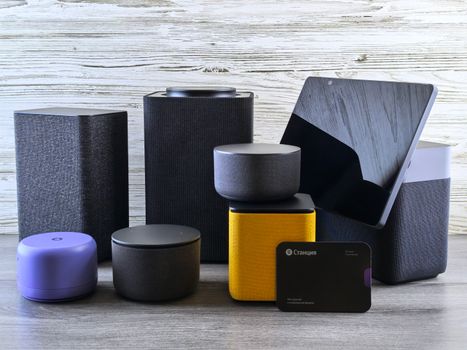
Understanding Platform Differences
Voice search is not limited to Google. Amazon Alexa and Microsoft Cortana use Bing’s search engine rather than Google. Google Assistant and Google Home devices pull from Google search. This means optimizing solely for Google may not cover all voice search traffic. Make sure your content and structured data are consistent and accurate across the web so that Bing can also index your information properly. The same principles of clear answers, schema markup, and local optimization apply regardless of the underlying search engine.
Common Questions Small Business Owners Ask
How is AEO different from traditional SEO?
AEO focuses on structuring content so that voice assistants and search engines can extract a direct, spoken answer. Traditional SEO aims to rank a page high in search results, often requiring users to click through. AEO prioritizes featured snippets, structured data, and conversational language to satisfy zero-click queries.
Do I need to appear on every smart speaker platform?
Not necessarily. Start by ensuring your Google Business Profile is complete and your website is optimized for Google Assistant and Google Home, since they handle the largest share of voice searches. Then extend your efforts to Bing for Alexa and Cortana by verifying your listings across platforms like Bing Places.
How long does it take to see results from voice search optimization?
Voice search optimization is not a quick fix. It builds on top of your existing SEO efforts. Improving local consistency, adding schema, and creating FAQ content can show results within a few weeks to a few months, depending on your competition and current online presence. Regular monitoring of featured snippet positions is a good indicator.
What is the most important step for a small business just starting?
Claim and fully complete your Google Business Profile. This single action can dramatically increase your chances of appearing in local voice search results. After that, ensure your website is mobile-friendly and loads quickly. Then focus on identifying the most common questions your customers ask and creating clear, concise answers on your site.

Adapting Your Content Strategy for Voice-First Queries
Small business owners do not need to overhaul their entire marketing plan overnight. Voice search AEO is about making incremental improvements that accumulate over time. Start by auditing your current online presence. Is your Google Business Profile accurate? Does your website load in under three seconds? Do you have a FAQ page? Are you using schema markup?
Once you have the basics in place, move on to content creation. Write blog posts that answer common questions. Use headings that are full questions. Include one clear answer per section. Monitor your search console for queries that trigger impressions but not clicks those are opportunities to create a featured snippet. With more than half of households expected to own a smart speaker by 2025, and over 40% of voice answers pulled from featured snippets, the businesses that invest in AEO now will be the ones spoken aloud tomorrow.